
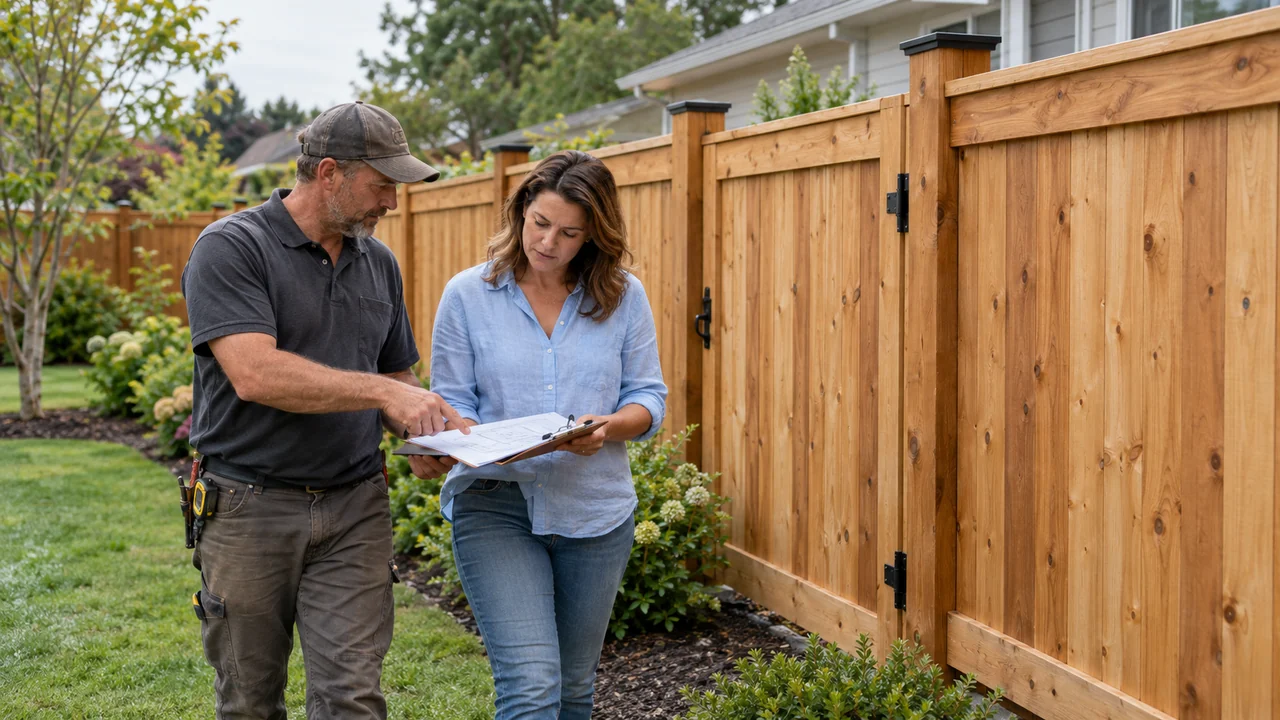
Most fence companies don't have a lead problem. They have a response problem. A homeowner who needs a new privacy fence, a pool barrier or a replacement after a storm usually contacts several companies the same day — and the company that answers first, asks the right questions and schedules the estimate tends to win the job.
This guide covers what works for fence companies anywhere in the United States, and what changes from region to region.
Why fence companies lose quote requests
Fence work happens outside. Owners, estimators and installers are on job sites, in trucks or on a post-hole digger when the phone rings. The most common leaks are:
- Missed calls. Calls that go to voicemail are rarely returned before the customer books someone else.
- Slow replies to web forms. A form submitted on Friday afternoon and answered on Tuesday is usually lost.
- Incomplete information. Without fence type, approximate linear feet, gates and HOA or permit details, the estimator has to call back just to start.
- No follow-up. Estimates sent without a follow-up sit in the customer's inbox while a competitor calls twice.
What changes by region
The fundamentals are the same everywhere, but your marketing should reflect what customers in your area actually ask for.
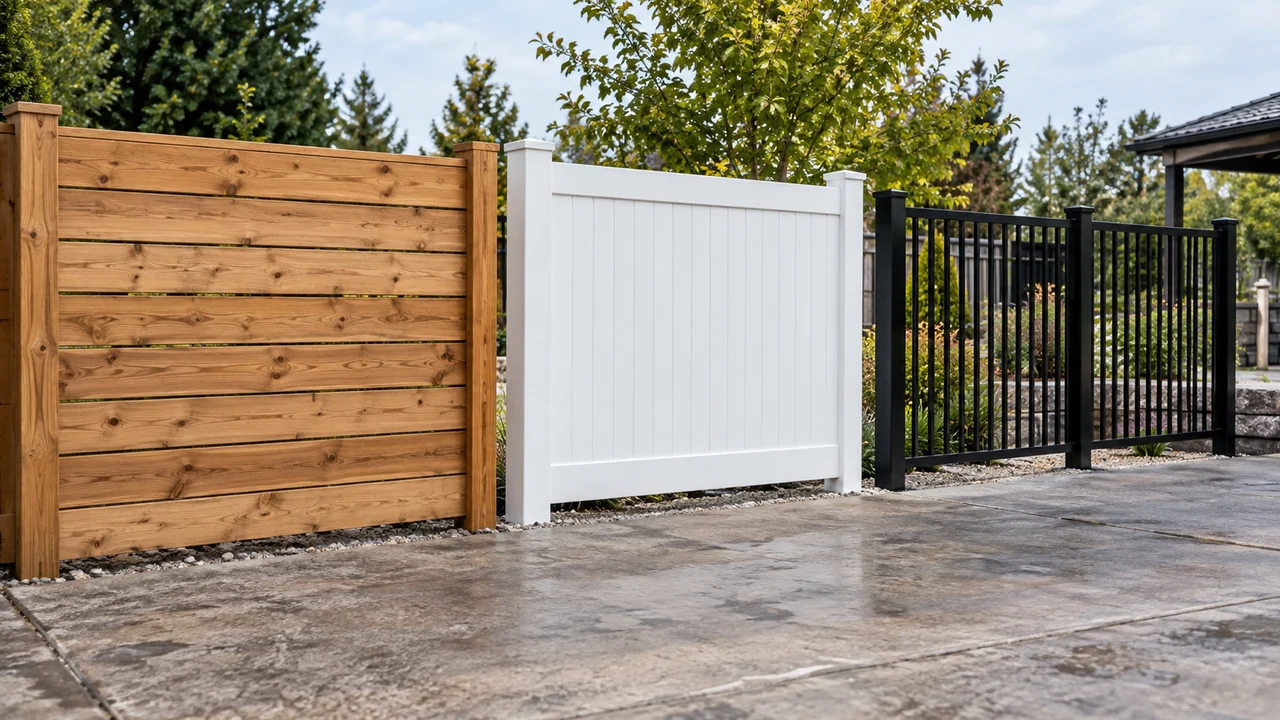
Southeast (Florida, Georgia, the Carolinas). Storm season drives urgent repair and replacement requests, and pool fencing is a constant category. Many neighborhoods are governed by HOAs, so approval questions come up early. Vinyl and aluminum are common choices. Make HOA guidance and storm-related services easy to find on your site.
Texas and the Southwest. Larger lots and rural properties bring ranch, farm and pipe fencing alongside residential wood and metal. Heat and sun exposure matter in material conversations. Ads and landing pages should separate residential from ranch or commercial work so each lead lands on the right page.
Northeast and Midwest. Frozen ground shortens the installation season, so demand concentrates in spring and early summer. Companies that capture and nurture leads during late winter fill their schedule first. Seasonal campaigns and an "book your spring install" offer work well here.
West (California, Arizona, Nevada). Permits, setbacks and HOA rules tend to be stricter, and block walls, stucco and privacy fencing are common. Clear information about the permit process builds trust before the first call.
1. Answer every call — even when your crew can't
Speed is the single biggest advantage a fence company can control. An AI voice agent can answer every call 24/7, greet the customer like a team member, collect project details and send a structured summary to your email or CRM. Your estimator calls back already knowing what the customer needs.

2. Qualify the lead before the estimate
The right questions save drive time and help you price faster:
- What type of fence: wood, vinyl, aluminum, chain-link or another material?
- Approximately how many linear feet?
- Do you need a walk gate or a driveway gate?
- Is this a new installation, a repair or a replacement?
- Is the property in an HOA, and does it need a permit?
- What is the property address, and when would you like the project completed?
Ask the same questions on the phone, in your web form and in chat, so every lead arrives in the same format.
3. Build a website made to capture quote requests
A fence website should do one job well: turn visitors into estimate requests. That means a short quote form, click-to-call on mobile, photos of real projects, the areas you serve and the fence types you install. A conversion-focused website loads fast and puts the quote button on every page.
4. Advertise locally, by service and by season
Google and Meta ads work best when they match what people are searching for: "privacy fence installation," "pool fence," "fence repair after storm." Send each campaign to a matching landing page, track calls and forms, and adjust budgets around your local season.
5. Follow up automatically
Most estimates are not lost to price — they're lost to silence. CRM and automation can send a confirmation after every request, a reminder before the estimate visit and a follow-up after the quote is sent, so no opportunity is forgotten.
Putting it together
Each piece works on its own, but the results compound when they're connected: the ad brings the click, the website captures the request, the voice agent handles the call and the CRM makes sure nothing slips. See how this works for fence businesses on our fence companies page.
FAQ
How fast should a fence company respond to a quote request?
As fast as possible — ideally within minutes. Homeowners often contact several companies at once, and the first company to respond with useful answers has a clear advantage.
What information should I collect before a fence estimate?
Fence type and material, approximate linear feet, gates, whether it's new or a replacement, HOA or permit requirements, the property address and the desired timeline.
Does fence marketing change by state?
The fundamentals don't, but the details do: storm and pool fencing in the Southeast, ranch fencing in Texas, a short season in the North and stricter permits in the West.
Can an AI voice agent answer calls for a fence company?
Yes. It can answer every call 24/7, ask your qualification questions and send a lead summary to your team or CRM so your estimator can follow up quickly.
Ready to stop losing fence estimates? Book a free AI demo and we'll show you how the system works for your calls, quotes and follow-up.
Digi Team America
Verified EditorialDigi Team America • AI Growth & Engineering
Specialists in autonomous AI voice agents, conversion websites, CRM pipelines, and local Florida business scaling.